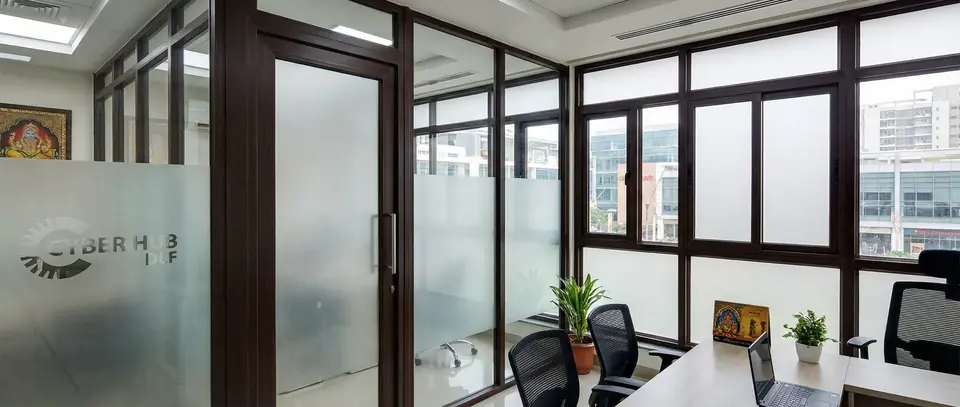
Sliding vs Casement vs Tilt & Turn Windows: Which Is Best?
Choosing the right window is not simply a matter of deciding between uPVC, aluminium or another frame material.
The opening style can change how much ventilation you get, how easily the window can be cleaned, how much space it requires, how tightly it seals and how practical it feels in everyday use.
Three of the most common options are:
- sliding windows
- casement windows
- tilt & turn windows
A sliding window may be ideal for a wide living-room opening where swing space is limited. A casement window may be more suitable for a bedroom where ventilation and sealing are priorities. A tilt & turn window can make sense where you want controlled ventilation plus inward access for cleaning.
The right answer therefore depends on where the window will be installed and what you need it to do.
This guide compares all three window styles across ventilation, space, sealing, acoustics, cleaning, security, maintenance and room suitability so you can make a more informed choice.
If you are still deciding between different overall window configurations, you can also explore Krystal Magic World's range of uPVC window systems.
Sliding vs Casement vs Tilt & Turn Windows: Quick Comparison
| Factor | Sliding Windows | Casement Windows | Tilt & Turn Windows | | ----- | ----- | ----- | ----- | | Opening mechanism | Sash slides horizontally | Sash swings on side hinges | Tilts inward at top or swings fully inward | | Space required to operate | Very low | Needs swing clearance | Needs internal clearance in turn mode | | Ventilation | Good, but opening area is limited by overlapping panels | Very good | Controlled in tilt mode; wide opening in turn mode | | Sealing potential | Good when properly designed and maintained | Typically strong due to compression sealing | Typically strong due to compression sealing | | Wide openings | Very suitable | Possible, but usually needs multiple sashes/fixed panels | Better for moderate-sized operable sashes | | Cleaning outer glass | Can be difficult on upper floors | Depends on opening direction | Often easiest because sash can open inward | | Mosquito mesh | Easy to integrate on an additional track | Fixed, hinged or roller mesh options | Usually separate compatible mesh solution required | | Daily operation | Simple horizontal movement | Simple handle-and-swing action | More complex multi-position handle | | Hardware complexity | Rollers, tracks, locks | Hinges, stays and locking hardware | More complex multi-point hardware | | Best known for | Space saving and wide openings | Ventilation and sealing | Flexible ventilation and cleaning access | | Typical cost | System-dependent | System-dependent | Often higher due to more complex hardware | | Maintenance focus | Tracks and rollers | Hinges, handles and gaskets | Hardware adjustment and multi-point mechanism |
This table is useful as a starting point, but window performance cannot be judged from opening style alone.
The final result also depends on:
profile system + reinforcement + glazing + hardware + gaskets + drainage + fabrication + installation
That distinction is important, particularly when comparing acoustic or energy-efficient windows.
1. What Is a Sliding Window?
A sliding window has one or more movable sashes that travel horizontally along tracks within the frame.
Instead of projecting inward or outward, the panels slide past one another.
This makes sliding windows particularly useful where opening clearance is limited.
You can explore the system in more detail on Krystal Magic World's uPVC sliding windows page.
Advantages of Sliding Windows
They save space
This is the most obvious advantage.
Because the sash stays within the plane of the frame, it does not interfere with:
- furniture
- curtains
- balconies
- external walkways
- narrow passages
- planters positioned near the opening
They work well for wide openings
Sliding systems can create broad glazed areas without requiring several projecting sashes.
They are therefore commonly considered for:
- living rooms
- balcony-facing walls
- large bedrooms
- offices
- commercial spaces
Everyday operation is straightforward
A properly fabricated and adjusted sliding sash should move horizontally with relatively little effort.
For frequently used windows, this simple operating mechanism can be convenient.
Mosquito mesh can be integrated easily
Multi-track systems can often accommodate a separate sliding mesh panel.
For Delhi NCR homes where mosquito protection and ventilation are both important, this can be a useful practical advantage.
Limitations of Sliding Windows
Only part of the opening can normally be open at once
Because the panels overlap, sliding windows generally do not expose the entire framed opening.
A two-panel slider commonly leaves one panel area occupied while the other moves across it.
The exact openable area depends on the track and sash configuration.
Tracks require cleaning
Dust and debris can accumulate in sliding tracks.
This matters in Delhi NCR, where airborne dust can be a significant maintenance consideration.
Tracks and drainage channels should therefore be cleaned periodically.
Rollers and moving hardware matter
A sliding window is only as pleasant to use as its:
- rollers
- track
- alignment
- sash weight
- locking hardware
Sealing works differently from an openable casement system
Sliding systems need clearances that allow the sash to move.
Casement and tilt & turn systems generally use a compression-style closing action against gaskets.
That does not mean every sliding window leaks air, rain or noise.
It means the sealing mechanism is different, and actual performance depends heavily on system design, fabrication, gaskets, interlocks, drainage and installation.
2. What Is a Casement Window?
A casement window is hinged along one side and opens like a door.
Depending on the design, the sash may open outward or inward, although outward-opening configurations are common in many residential applications.
See Krystal's uPVC casement windows for the available system type.
Advantages of Casement Windows
They can provide excellent ventilation
When a casement sash opens fully, a large part of the opening becomes available for airflow.
An outward-opening sash may also interact with wind direction and help direct a passing breeze into the room.
For bedrooms, kitchens and living spaces where natural ventilation matters, this can be a major advantage.
Compression sealing can be strong
When a casement window closes, the sash is pulled against gaskets around the frame.
With the right system, hardware and installation, this can provide effective resistance to:
- air leakage
- dust
- wind-driven rain
- external noise
They can work well with acoustic glazing
A tightly closing sash can help an acoustic window system perform as intended.
But the opening style alone does not determine sound reduction.
The result also depends on:
- glass thickness
- laminated or acoustic glass where required
- asymmetrical glazing
- cavity configuration in a DGU
- frame seals
- perimeter installation
- wall and façade construction
Hardware can provide multiple locking points
Depending on the system, casement windows can use multipoint locking hardware that pulls the sash against the frame at several locations.
This can contribute to both security and sealing.
Limitations of Casement Windows
They require swing space
A projecting sash needs clear space to operate.
That can become inconvenient when the window opens towards:
- a narrow balcony
- a passage
- external landscaping
- a neighbouring obstruction
Large single sashes require careful engineering
The larger and heavier the sash becomes, the more important the specification of:
- reinforcement
- hinges
- stays
- hardware
- glazing weight
- profile system
Mesh requires separate consideration
Unlike a sliding system with a dedicated mesh track, casement windows may use:
- fixed mesh
- roller mesh
- hinged mesh
3. What Is a Tilt & Turn Window?
A tilt & turn window combines two opening functions in one sash.
In tilt mode, the top of the sash moves inward while the lower part remains closer to the frame, creating a restricted ventilation opening.
In turn mode, the sash opens inward from the side like a casement window.
The two positions are typically controlled through the handle and hardware mechanism.
See Krystal's uPVC tilt & turn windows for more information on this style.
Advantages of Tilt & Turn Windows
They offer flexible ventilation
Tilt mode provides a smaller opening for controlled airflow.
Turn mode provides a much larger opening when maximum ventilation is needed.
This gives occupants more flexibility than a conventional single-mode window.
They can be easier to clean from indoors
Because the sash can swing inward in turn mode, both sides of the glazing may be more accessible from inside.
That can be especially useful in:
- apartments
- upper floors
- locations where exterior cleaning access is difficult
Compression sealing can be strong
Like casement windows, tilt & turn systems generally close the sash against perimeter gaskets.
With suitable profiles, hardware and installation, this can support good airtightness and weather sealing.
The tilt position can be useful for controlled ventilation
For bedrooms or spaces where you do not want a fully open sash, the restricted top opening may provide a useful alternative.
However, a tilted window should not automatically be treated as burglar-proof. Security depends on the hardware system, opening accessibility and overall window specification.
Limitations of Tilt & Turn Windows
Hardware is more complex
One handle controls multiple movements.
The mechanism therefore requires:
- appropriate hardware
- accurate fabrication
- proper installation
- correct adjustment
- correct user operation
Full opening requires indoor clearance
The turn function brings the sash inward.
Furniture, curtains or objects placed directly in front of the window can interfere with operation.
Cost can be higher
Tilt & turn hardware is generally more complex than conventional sliding or basic casement hardware.
The final cost, however, depends on the entire specification rather than opening style alone.
Sliding vs Casement vs Tilt & Turn: Detailed Comparison
Ventilation
Sliding
A sliding window can provide good airflow, particularly when the opening itself is wide.
However, overlapping sashes mean only part of the total window area normally opens.
Casement
Casement windows generally provide a larger unobstructed opening.
For rooms where maximum natural airflow is important, they can be particularly effective.
Tilt & turn
Tilt & turn offers two ventilation modes:
Tilt: controlled airflow through a smaller opening.
Turn: substantially wider opening.
Verdict
For maximum opening: casement or tilt & turn in turn mode.
For controlled ventilation: tilt & turn.
For space-efficient everyday ventilation: sliding.
Which Is Better for Dust Protection?
Delhi NCR's dust conditions make this an important question.
The answer is not simply:
*Casement good, sliding bad.*
A properly designed sliding window can perform well.
However, casement and tilt & turn systems typically use compression-style gasket sealing, while conventional sliders need moving clearances and different sealing arrangements.
Therefore, where very tight air sealing is a major priority, casement or tilt & turn systems may offer an advantage when correctly specified and installed.
But poor installation can undermine any window type.
Check:
- perimeter sealing
- sash alignment
- gasket quality
- interlocks
- drainage
- fabrication accuracy
Which Window Is Better for Noise Reduction?
This is frequently oversimplified.
A casement or tilt & turn configuration can provide a useful foundation for acoustic performance because of its closing and sealing mechanism.
But choosing a casement window does not automatically make a room quiet.
Sound reduction depends on the complete window assembly.
Important variables include:
- glass specification
- glass thickness
- laminated layers where required
- DGU configuration
- cavity
- frame design
- seals
- locking pressure
- installation gaps
If noise is one of your main concerns, first understand the principles in our uPVC window acoustic comfort guide.
Which Is More Energy Efficient?
Again, opening style is only part of the answer.
Energy performance depends on:
- glazing
- frame design
- air leakage
- solar heat gain
- orientation
- shading
- installation quality
But the actual thermal performance of a window cannot be determined merely by calling it “casement” or “tilt & turn.”
The glazing choice can have a major influence.
If thermal comfort is a priority, see Krystal's guide to energy-efficient windows for Delhi NCR.
Which Window Is Easier to Clean?
Sliding windows
Interior-facing glass is straightforward to clean, but the external face can be harder to access on upper floors depending on the system.
Tracks also require periodic cleaning.
Casement windows
Cleaning convenience depends on the opening direction and how far the sash can be safely accessed.
Tilt & turn windows
The inward turn position can make cleaning both sides of the glass more convenient.
Verdict
For high-rise or upper-floor applications where exterior access is difficult, tilt & turn can offer a practical cleaning advantage.
Which Window Saves the Most Space?
Sliding wins this category.
The sash moves within the frame, so it does not project inward or outward.
This makes sliding windows particularly useful:
- next to furniture
- beside balconies
- along passages
- behind kitchen counters
- where exterior clearance is limited
Which Is Better for Large Openings?
Sliding systems are often a practical choice for broad openings because multiple panels can move within a horizontal track system.
Casement windows can also be used across large window areas, but the design will typically divide the opening into manageable operable and fixed sections.
Tilt & turn windows are usually better considered around individual sash dimensions rather than assuming one very large operable panel.
For exceptionally large glazed openings, the overall window and structural design matters more than simply selecting an opening mechanism.
Which Is More Secure?
Security depends far more on the complete specification than on the label “sliding,” “casement” or “tilt & turn.”
Consider:
- locking system
- number and quality of locking points
- glazing
- hardware
- frame reinforcement
- installation
- accessible floor level
Sliding windows can also use secure locks and interlocking systems.
Do not select a window purely because a brochure calls it “secure.”
Ask what hardware is actually included.
Which Window Requires Less Maintenance?
Every operable window has components that need periodic attention.
Sliding
Watch:
- tracks
- rollers
- brush seals
- drainage channels
- locks
Casement
Watch:
- hinges
- friction stays
- handles
- multipoint locking components
- gaskets
Tilt & turn
Watch:
- multipoint hardware
- corner drives
- hinges
- handle operation
- sash alignment
- gaskets
For routine care, refer to Krystal's uPVC window maintenance guide.
Which Style Is Better for Mosquito Mesh?
For many Indian homes, this can influence the final choice.
Sliding windows
A separate mesh shutter can often run on an additional track.
This is one of the easiest mesh integrations.
Casement windows
Common approaches include fixed, hinged or roller mesh systems depending on the opening direction.
Tilt & turn windows
The inward operation means mesh integration needs to be designed around the opening mechanism.
Do not assume the same mesh arrangement works for all three systems.
Sliding vs Casement vs Tilt & Turn for Different Rooms
The strongest window plan is often not choosing one style for the entire home.
Different rooms have different priorities.
Living Room
Consider sliding when:
- the opening is wide
- panoramic glass area matters
- there is a balcony immediately outside
- you do not want projecting shutters
Consider casement when:
- ventilation is a priority
- sealing against outdoor conditions matters more than space
Consider tilt & turn when:
- controlled ventilation and easy cleaning are priorities
- there is sufficient inward clearance
Bedroom
Bedrooms often benefit from:
- effective ventilation
- good sealing
- reduced external noise
- security
A tilt & turn window can also be attractive where controlled ventilation is desired.
A sliding window still makes sense when space or opening width is the dominant constraint.
Kitchen
The choice depends heavily on layout.
Sliding may suit:
- windows behind counters
- areas where an opening sash would hit something
- compact spaces
Casement may suit:
- areas where maximum ventilation is required
- openings with adequate swing clearance
Tilt & turn may suit:
- kitchens where smaller controlled ventilation is useful
- spaces with enough internal clearance
Bathroom
Bathrooms typically require privacy and ventilation rather than very large openings.
While casement or tilt & turn windows can work, a uPVC top-hung window may sometimes be a more suitable option for smaller bathroom openings.
That is a good example of why the best choice is not always one of these three styles.
Balcony-Facing Openings
Sliding windows are often practical here because they do not project into the balcony.
Where sealing or noise control is more important, a properly designed casement configuration may be considered if there is enough clearance.
For very large balcony openings, remember that the decision may shift from a window to a door system. Krystal also provides uPVC sliding doors for larger access openings.
High-Rise Apartments
High-rise applications introduce additional considerations:
- wind exposure
- cleaning access
- opening safety
- hardware
- structural specification
- water management
Casement can provide strong sealing when properly designed.
Sliding may be preferred where projecting sashes are undesirable.
However, high-rise suitability should be assessed against opening size, wind conditions, system limitations and project specifications, not assumed from the window style alone.
Villas and Independent Homes
Villas usually offer more flexibility because exterior clearance is less constrained.
A combination often works better than one universal window type:
- casement for bedrooms
- sliding for large living areas
- tilt & turn for selected premium or ventilation-sensitive openings
- fixed windows where only daylight and views are required
Commercial Spaces and Offices
Commercial projects may prioritise:
- repeatable specifications
- easy operation
- wide glazing
- maintenance
- safety
- air-conditioning efficiency
- appearance
Casement or tilt & turn systems may be more appropriate where sealing or controlled ventilation takes priority.
The correct choice should ultimately be coordinated with the architectural and mechanical requirements of the project.
You can see how window requirements vary between residential and commercial applications in Krystal's uPVC door and window projects.
Delhi NCR Conditions: What Should You Prioritise?
Homes and offices in Delhi NCR often need to balance several competing requirements:
- summer heat
- winter temperature variation
- dust
- outdoor traffic noise
- monsoon rain
- air-conditioning
- ventilation
- compact apartment layouts
If dust and sealing are major concerns
Consider casement or tilt & turn systems with suitable gaskets, hardware and installation.
If there is very little opening clearance
Sliding may be more practical.
If road noise is a priority
Focus first on the complete acoustic specification rather than simply choosing an opening style.
If you live on an upper floor
Consider:
- cleaning access
- opening safety
- wind exposure
- sash dimensions
If you want wide balcony-facing glass
Sliding systems can be highly practical.
Does Double Glazing Change Which Window You Should Choose?
Double glazing can be used with multiple window styles, but it should not be treated as an independent guarantee of performance.
The glass unit adds:
- thickness
- weight
- thermal characteristics
- potentially different acoustic behaviour
If you are deciding between glass types, read our detailed comparison of single glazed vs double glazed windows.
Common Mistakes When Choosing a Window Style
1. Choosing only by appearance
A large slider may look attractive in a showroom but not suit a room where strong sealing is the highest priority.
Likewise, a casement may look elegant but become inconvenient where there is no sash clearance.
2. Using the same style everywhere
A bedroom, kitchen, bathroom and living room do not have identical requirements.
The best project may combine several window styles.
3. Ignoring furniture and curtains
This is particularly important for inward-opening tilt & turn windows.
Check the operating path before finalising the window.
4. Ignoring cleaning access
Exterior glass can become difficult to reach after installation, especially in apartments.
Think about maintenance before the window is ordered.
5. Choosing based only on price
A lower-cost opening mechanism can become expensive if it does not solve the actual requirement.
Compare:
- profile
- glazing
- hardware
- reinforcement
- installation
- warranty
6. Assuming one window style is automatically “soundproof”
No opening mechanism alone guarantees acoustic performance.
Sound reduction is achieved through the complete window specification and installation.
7. Ignoring hardware quality
Sliding rollers, casement hinges and tilt & turn multipoint hardware all influence long-term usability.
Ask what hardware is actually being supplied.
Sliding vs Casement vs Tilt & Turn: Which Should You Choose?
Use this simple decision framework.
Choose sliding windows if:
- you have limited swing space
- the opening is wide
- you want a simple horizontal operating system
- balcony or passage clearance matters
- integrated sliding mesh is a priority
Choose casement windows if:
- maximum ventilation matters
- strong perimeter sealing is a priority
- you have adequate opening clearance
- the opening is exposed to dust, wind or traffic noise
- you prefer a conventional hinged system
Choose tilt & turn windows if:
- you want two ventilation modes
- indoor cleaning access matters
- controlled ventilation is useful
- you are comfortable with inward-opening clearance
- you want a more sophisticated opening mechanism
The Best Answer May Be a Combination
For many homes, the right question is not:
*“Which window type is best?”*
It is:
“Which window type is best for this particular opening?”
A project may use:
- sliding windows in a wide living room
- casement windows in road-facing bedrooms
- tilt & turn windows where controlled ventilation and indoor cleaning matter
- fixed windows where an opening sash is unnecessary
- top-hung windows in compact utility or bathroom spaces
If you want a broader framework before selecting individual windows, read how to choose the right uPVC windows for your home.
Frequently Asked Questions
Which is better: sliding, casement or tilt & turn windows?
None is universally better.
Sliding windows are especially useful where space is limited or openings are wide. Casement windows can provide wide ventilation and strong compression sealing. Tilt & turn windows offer controlled ventilation plus an inward-opening cleaning mode.
Choose according to the room and performance requirement.
Are casement windows better than sliding windows for noise reduction?
Casement windows can provide stronger perimeter sealing than conventional sliding systems, which can help an acoustic window assembly.
However, noise reduction depends heavily on glass specification, seals, fabrication and installation.
A casement window with basic glass is not automatically better acoustically than every sliding system.
Which window gives the most ventilation?
A casement sash can generally expose more of its opening than a conventional overlapping slider.
Tilt & turn windows can also provide a wide opening in turn mode, while tilt mode is intended for more controlled ventilation.
Are sliding windows suitable for bedrooms?
Yes.
Sliding windows can work well in bedrooms where space efficiency and wide glazing are priorities.
If the bedroom faces heavy traffic or another major noise source, compare the complete glazing and sealing specification before deciding.
Are tilt & turn windows good for Indian homes?
They can be.
Their two opening modes can be useful for controlled ventilation and cleaning access, particularly in apartments.
However, they require appropriate hardware, fabrication, installation and indoor swing clearance.
Which window is easiest to clean in an apartment?
Tilt & turn windows can be particularly convenient because the sash can open inward in turn mode, providing access to the external glass surface.
Cleaning access for sliding and outward-opening casement windows depends on the specific configuration.
Which window style is best for Delhi NCR?
There is no single best style for every Delhi NCR property.
Dust, heat, noise, monsoon exposure, opening size, floor level and available space all matter.
Casement or tilt & turn may suit openings where tighter sealing is important, while sliding windows can be more practical for wide openings or limited-clearance areas.
Can I use sliding, casement and tilt & turn windows in the same home?
Yes.
Using different window types in different rooms is often more practical than forcing one opening mechanism across the entire property.
The frame colour, finish and visual proportions can still be coordinated.
Final Decision
The difference between sliding, casement and tilt & turn windows comes down to how the window needs to perform in its specific location.
Sliding windows are strongest where space efficiency, wide openings and straightforward operation matter.
Casement windows are strong where ventilation and perimeter sealing are priorities.
Tilt & turn windows provide the greatest operating flexibility, combining controlled ventilation with a full inward-opening mode.
But the opening mechanism should never be evaluated in isolation.
The quality of the profile, glazing, reinforcement, hardware, seals, fabrication and installation can matter just as much as whether the window slides, swings or tilts.
For a project-specific recommendation, Krystal Magic World can assess the opening size, room use, ventilation, glazing, noise exposure and installation conditions before recommending the appropriate uPVC window system for the property.
Explore Krystal Magic World
Featured Projects
Latest Articles
- Sliding vs Casement vs Tilt & Turn Windows: Which Is Best? — Compare sliding, casement and tilt & turn windows for ventilation, sealing, noise, space, cleaning, security and cost to choose the right style for your home.
- How to Choose the Right uPVC Window Supplier: A Complete Buyer's Checklist — Choosing a uPVC window supplier? Use this buyer's checklist to compare profiles, glazing, hardware, installation, warranty, reviews and after-sales support.
- Double-Glazed vs Single-Glazed Windows: Which Should You Choose? — Compare single glazed vs double-glazed windows for insulation, noise reduction, energy efficiency, cost and comfort. Find out which glazing suits your Delhi NCR property.
- Casement vs Sliding Windows: Which Is Better for Your Home? — Compare casement vs sliding windows for ventilation, space, noise, security, maintenance and design to choose the right uPVC window for your home.
- How to Choose the Right uPVC Windows for Your Home? — Learn how to choose the right uPVC windows based on style, glazing, security, ventilation, insulation, quality, installation and your home's needs.
- Benefits of uPVC Windows: Why They Are the Smart Choice for Modern Homes — Discover the benefits of uPVC windows, from energy efficiency and security to durability and noise insulation. Learn why homeowners prefer uPVC.
- Complete Guide to Acoustic Comfort with uPVC Windows — Discover how uPVC windows can transform your noisy urban home into a peaceful sanctuary.
- Energy Efficient Windows for Delhi NCR's Extreme Climate — How the right uPVC windows can cut your AC bills by 40% while keeping your home comfortable year-round.
- Complete uPVC Window Maintenance Guide — Simple steps to keep your uPVC windows performing perfectly for decades.
- uPVC vs Aluminium Windows: Which Is Better for Indian Homes? — Compare uPVC vs aluminium windows for insulation, durability, noise reduction, maintenance and design to choose the right windows for your Indian home.
Contact: +91 9220905087 / +91 9810609664 · sales@krystalmagicworld.com